
1955 Double Die Penny: The story of the 1955 Double Die Penny started just like any other coin. It was meant to be an ordinary one-cent coin produced by the U.S. Mint. Back then, pennies were a common part of daily life, and no one would have thought a simple cent could become so rare and valuable. But a small mistake during production changed its future forever.
What Makes It “Double Die”?
The main reason this penny is so famous is because of an error called a “double die.” This error happened when the coin’s design was struck incorrectly during minting. As a result, the letters and numbers on the coin appear doubled. If you look closely, you can see that the words “LIBERTY” and “IN GOD WE TRUST” look like they have been printed twice. This mistake made the coin stand out from millions of other pennies.
How the Error Happened
In 1955, the Mint used older machines to create coins. When the die that stamped the design onto blank coins shifted slightly between strikes, it caused the design to appear doubled. Normally, such coins were removed from circulation, but in this case, thousands of them escaped the Mint’s notice. These pennies were then released into the public, hidden among ordinary coins.
Discovery by the Public
At first, many people didn’t realize anything special about these pennies. But soon collectors and sharp-eyed individuals noticed the unusual doubling on the coin. Word spread quickly, and collectors began hunting for the coin. What was once worth only a cent suddenly became a collectible item that people were willing to pay extra money for.
Growth in Value Over Time
When it was first discovered, the 1955 Double Die Penny sold for a few dollars among collectors. As time passed, demand grew while the number of coins available remained the same. This simple rule of rarity increased the value dramatically. Today, depending on its condition, the coin can be worth anywhere from a few thousand dollars to as much as $50,000.
Why Collectors Love It
Collectors are always searching for coins that tell a story, and the 1955 Double Die Penny has one of the most interesting stories in American coinage. It combines history, human error, and rarity, all in one small piece of copper. This makes it a treasure for both experienced and new collectors alike. The thrill of owning a coin that was once a simple penny but is now worth a fortune adds excitement to any collection.
Condition Matters
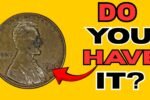
The price of the 1955 Double Die Penny depends heavily on its condition. Coins that have been well-preserved with little wear are the most valuable. Experts grade coins on a scale, and higher-grade coins are extremely rare. A penny in excellent condition can reach the top value of around $50,000, while coins in poor shape are worth much less but are still considered special.
Modern Interest and Auctions
Even today, more than sixty years later, this penny still makes headlines. Auction houses often list them, and bidding wars can drive the price up quickly. Many collectors hope to come across one while checking old change jars or inherited coin collections. The dream of finding such a valuable treasure in everyday life keeps interest alive in this rare coin.
A Symbol of Coin Collecting
Beyond its price, the 1955 Double Die Penny is a symbol of why coin collecting is such a fascinating hobby. It shows that even small objects like pennies can carry history, mystery, and significant value. It also proves that mistakes can sometimes create treasures.
Frequently Asked Questions
Q: How many 1955 Double Die Pennies exist today?
Experts estimate that around 20,000 to 24,000 coins were released, but only a fraction of them survive in good condition.
Q: Can I still find one in circulation?
It is very unlikely, but not impossible. Most of them are already in collections or sold at auctions.
Q: How can I tell if I have a real one?
The easiest way is to check for the clear doubling on the letters and numbers. However, since counterfeits exist, it’s best to have the coin examined by a professional.
Value of the 1955 Double Die Penny
| Condition of Coin | Estimated Value |
|---|---|
| Good Condition | $1,000 – $2,000 |
| Fine Condition | $5,000 – $10,000 |
| Extremely Fine | $15,000 – $25,000 |
| Uncirculated | $40,000 – $50,000 |